Best Woodworking Plans for Building Beds (2026): Complete Guide to Building Beautiful DIY
Table of Contents
ToggleBest Woodworking Plans for Building Beds can help beginners and professionals build strong, beautiful, and long-lasting beds with confidence.
A well-built wooden bed is more than just a place to sleep. It is one of the most important pieces of furniture in any home, providing comfort, durability, and style for many years. Unfortunately, high-quality wooden beds sold in furniture stores across the United States often come with premium price tags. A solid hardwood bed can easily cost between $1,000 and $3,500, and custom-built designs may cost even more.
This is one of the biggest reasons why DIY woodworking has become increasingly popular. Instead of purchasing an expensive factory-made bed, many homeowners now choose to build one themselves. With the right woodworking plans, even beginners can create professional-looking furniture while saving hundreds or even thousands of dollars.
Choosing the best woodworking plans for building beds is the most important step in the entire process. A quality plan removes the guesswork by providing clear measurements, material lists, cutting diagrams, and detailed instructions. Rather than worrying about making costly mistakes, you can focus on enjoying the building process and creating a bed that perfectly matches your home.
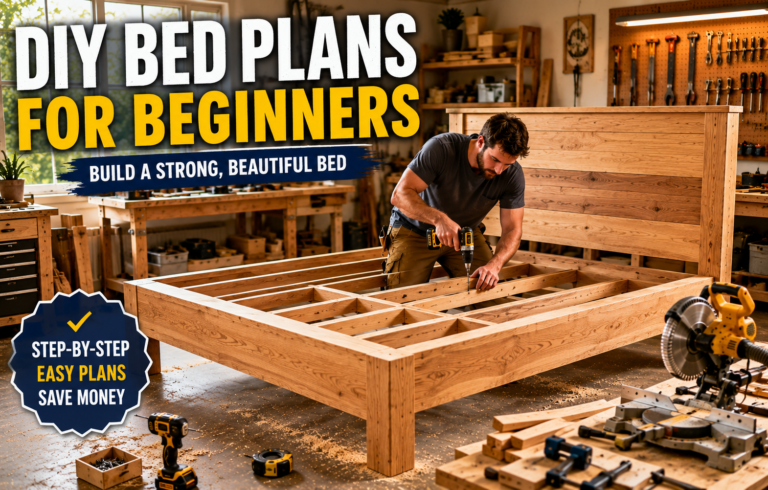
Whether you want a modern platform bed, a farmhouse-style frame, a space-saving storage bed, or a luxury king-size design, the right woodworking plans make every step easier and more enjoyable. If you’re just starting your DIY journey, be sure to read our Best DIY Bed Plans for Beginners (2026 Guide) for simple projects that are perfect for first-time builders.
Why Choose the Best Woodworking Plans for Building Beds?
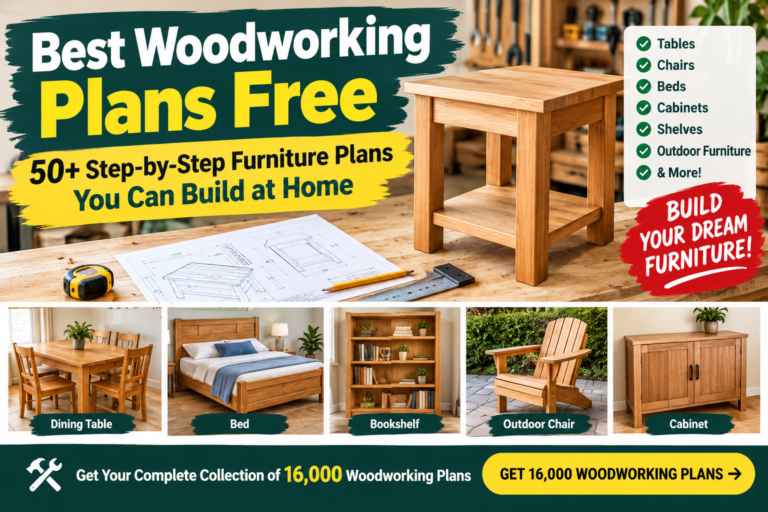
Over the past few years, DIY furniture has become one of the fastest-growing home improvement trends in the United States. Many homeowners have discovered that building furniture themselves provides much greater value than purchasing ready-made products from retail stores. If you’re wondering whether a complete woodworking library is worth buying, check out our detailed 16,000 Woodworking Plans Review (2026) before starting your next project.
One of the biggest advantages is cost savings. Instead of paying thousands of dollars for a custom wooden bed, you only need to purchase lumber, hardware, and finishing materials. Even after buying quality wood, the total cost is often far less than a comparable store-bought bed.
Another major benefit is customization. Store-bought furniture is limited to standard sizes and designs, but a DIY project allows complete creative freedom. You can choose the exact dimensions, wood species, finish color, headboard style, and storage options that suit your room. This level of personalization is almost impossible to find in mass-produced furniture.
Building your own furniture is also incredibly rewarding. Every time you walk into your bedroom, you’ll see a handcrafted piece that reflects your own skills and effort. Many DIY enthusiasts say the sense of accomplishment is just as valuable as the money they save.
Why Good Woodworking Plans Matter
Many people believe building a bed is simply a matter of cutting wood and screwing everything together. In reality, a strong and attractive bed requires careful planning, accurate measurements, and proper construction techniques. This is why detailed woodworking plans are so important.
Professional plans guide you through every stage of the project, from selecting lumber to applying the final finish. They reduce mistakes, eliminate confusion, and help ensure that every piece fits together correctly. This is especially valuable for beginners who may not yet have experience designing furniture from scratch.
Good plans also improve safety. A properly designed bed frame distributes weight evenly, reducing the risk of movement, squeaking, or structural failure. This is particularly important for children’s beds, bunk beds, and king-size frames, which must support significant weight over many years.
When you work from a professional plan, you spend less time solving problems and more time enjoying the actual woodworking process.
Different Types of DIY Bed Plans
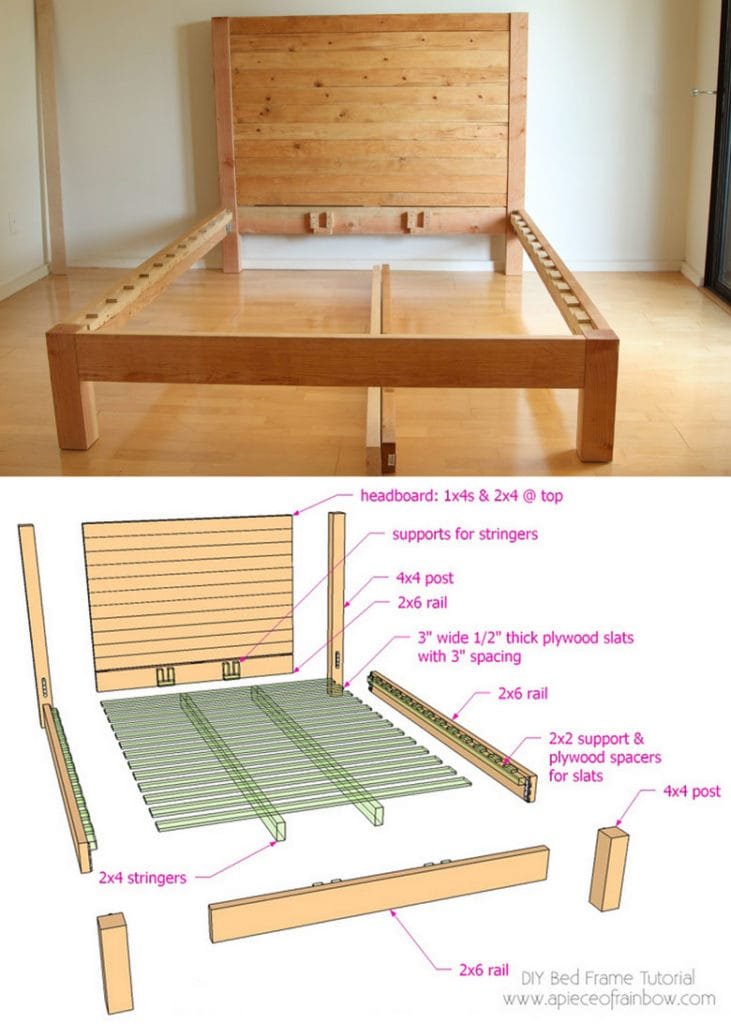
One of the best things about woodworking is the variety of bed designs available. Every home has different needs, and the right project depends on your available space, personal style, and woodworking experience.
Platform beds remain one of the most popular choices because they feature clean lines, modern styling, and simple construction. Since they do not require a box spring, they are practical, affordable, and perfect for beginners.
Storage beds are another excellent option, particularly for smaller homes and apartments. By incorporating built-in drawers or hidden storage compartments beneath the mattress, these beds maximize available space without sacrificing style. Families often choose storage beds because they provide extra room for blankets, clothing, and seasonal items.
Farmhouse beds continue to be a favorite among homeowners who appreciate rustic interiors. Thick wooden posts, decorative headboards, and natural wood finishes create a warm and inviting appearance that never goes out of style.
Modern floating beds have become increasingly popular thanks to their sleek appearance. Their hidden support structure creates the illusion that the bed is floating above the floor, giving bedrooms a luxurious contemporary look.
For growing families, bunk beds remain one of the smartest woodworking projects. They maximize floor space while providing children with a fun and practical sleeping arrangement. When built from quality plans, bunk beds offer excellent durability and long-term safety.
Choosing the Right Wood for Your Bed
No matter which wood species you choose, using the Best Woodworking Plans for Building Beds will help you achieve accurate cuts, stronger joints, and a professional-quality finish that lasts for years.
The quality of your finished bed depends heavily on the type of wood you choose. Different wood species offer different levels of strength, appearance, durability, and cost.
Oak has long been one of the most popular hardwoods for furniture because of its impressive strength and beautiful grain pattern. It produces beds that can easily last for decades with proper care.
Maple is another excellent choice. Its smooth texture makes it ideal for painted furniture while still offering exceptional durability for everyday use.
Walnut is widely regarded as one of the most luxurious hardwoods available. Its rich dark color creates elegant furniture that becomes the centerpiece of any bedroom. Although more expensive than many other woods, walnut delivers outstanding beauty and longevity.
For beginners working with a limited budget, pine remains one of the best options. It is affordable, easy to cut, and widely available throughout North America. Although softer than hardwoods, properly constructed pine beds can still provide many years of reliable service.
Essential Tools You'll Need Before Building a Bed
Having the right woodworking plan is only part of the equation. Using the proper tools will make the building process faster, safer, and far more accurate. While some advanced furniture projects require specialized equipment, most DIY bed frames can be completed with common woodworking tools found in many home workshops.
A circular saw or table saw is essential for making straight and accurate cuts. A miter saw helps create clean crosscuts and angled cuts, especially when building headboards or decorative trim. A power drill and impact driver are used for drilling pilot holes and driving screws securely into the wood without damaging it.
An orbital sander is equally important because smooth surfaces are the difference between homemade-looking furniture and professional-quality furniture. Sanding every piece carefully before assembly also helps paint, stain, or polyurethane adhere more evenly.
Clamps are another tool that many beginners underestimate. Keeping boards firmly in place during assembly improves accuracy and creates stronger joints. A reliable tape measure, speed square, carpenter’s pencil, and quality wood glue should always be within reach throughout the project.
When these tools are combined with detailed woodworking plans, even first-time builders can complete impressive furniture projects with confidence.
When these essential tools are combined with the Best Woodworking Plans for Building Beds, even beginners can confidently complete beautiful DIY bed projects with professional results.
How to Choose the Best Woodworking Plans for Building Beds
Not every woodworking plan available online is worth your time. Many free plans are incomplete, contain incorrect measurements, or leave out important construction details. This often leads to wasted lumber, frustration, and poor results.
The best woodworking plans provide complete guidance from start to finish. Every board should be clearly labeled with exact dimensions so there is no confusion during cutting or assembly. A detailed material list should explain exactly how much lumber, hardware, and finishing products you’ll need before starting the project.
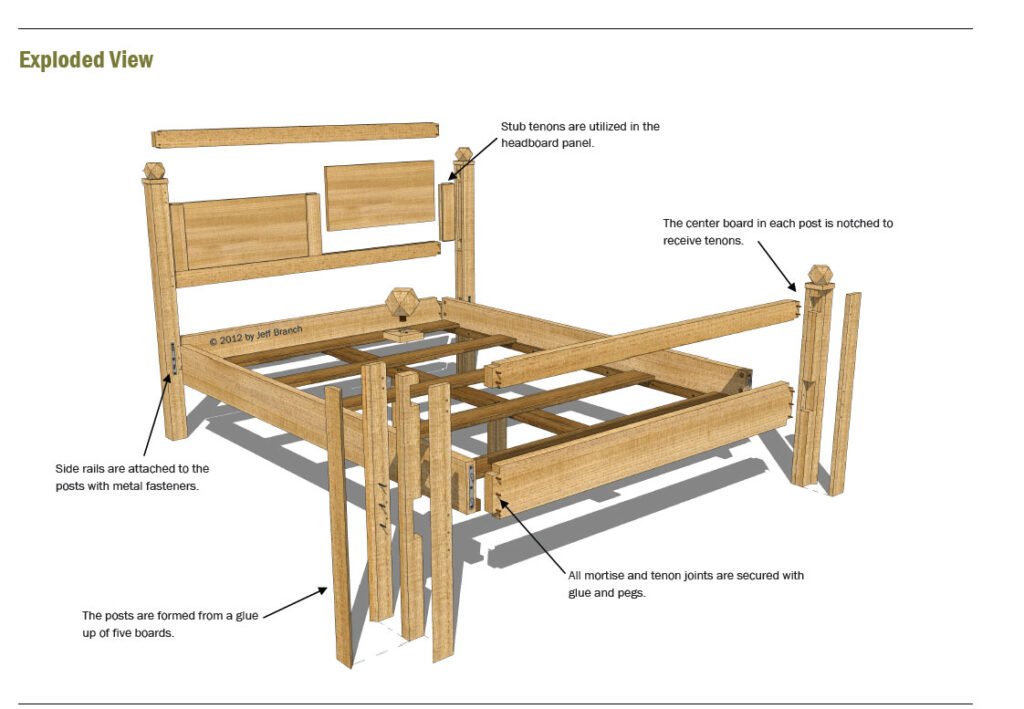
Good plans also include clear illustrations or 3D diagrams that show how every component fits together. These visual references are extremely helpful because they eliminate uncertainty during assembly.
Another feature that separates professional plans from basic sketches is the inclusion of cutting diagrams. Instead of guessing how to cut expensive lumber, you’ll know exactly where every cut should be made, reducing waste and saving money.
The best plans also explain recommended joinery methods, screw placement, sanding procedures, and finishing techniques. These details help ensure the finished bed is not only attractive but also strong enough to withstand years of everyday use.
Common Mistakes Beginners Should Avoid
Many first-time woodworkers become excited about starting a project and rush into construction without proper preparation. Unfortunately, simple mistakes made early in the project can become expensive problems later.
One of the most common mistakes is failing to measure carefully before making cuts. The old woodworking saying, “Measure twice, cut once,” remains true because even a small measuring error can prevent parts from fitting together correctly.
Another mistake is purchasing poor-quality lumber. Boards that are warped, twisted, or cracked may seem less expensive initially, but they often create major alignment problems during assembly. Choosing straight, dry lumber saves both time and frustration.
Many beginners also underestimate the importance of sanding. Skipping sanding steps or rushing through them results in rough surfaces that absorb stain unevenly and reduce the professional appearance of the finished furniture.
Applying stain or paint too quickly is another common error. Allowing proper drying time between coats produces a smoother, more durable finish that will protect the wood for years.
Finally, many people ignore the instructions provided in their woodworking plans because they believe they can improve the design. Unless you have significant woodworking experience, following the original plans carefully usually produces the best results.
Which Bed Style Is Best for Your Home?
Choosing the right bed design depends on your available space, personal style, and functional needs.
If you prefer clean lines and modern interiors, a platform bed is one of the best choices. Its simple construction, low profile, and contemporary appearance make it suitable for almost any bedroom.
Families looking to maximize storage often prefer storage beds because they combine sleeping space with practical organization. Built-in drawers reduce clutter and eliminate the need for additional furniture.
Those who appreciate traditional craftsmanship usually choose farmhouse-style beds. Their large wooden headboards, rustic finishes, and timeless appearance create a warm and welcoming atmosphere.
Homeowners designing luxury master bedrooms often prefer floating beds because they offer a sleek, modern appearance that instantly becomes the focal point of the room.
Parents with multiple children frequently select bunk beds because they maximize floor space while adding a fun element to children’s bedrooms. When built using high-quality woodworking plans, bunk beds provide both safety and long-term durability.
Why Detailed Woodworking Plans Save Time and Money
Some people attempt to design furniture without using professional plans, believing they can save money. In reality, the opposite is often true.
Without accurate measurements and clear instructions, mistakes become much more likely. Incorrect cuts waste expensive lumber, improper assembly weakens the structure, and repeated corrections increase both costs and project time.
Detailed woodworking plans eliminate these problems by providing a proven building process that has already been tested. Instead of guessing, you simply follow each step with confidence.
For beginners, this can reduce project time significantly while producing better results. Even experienced woodworkers benefit from professionally designed plans because they simplify complex furniture projects and reduce unnecessary trial and error.
Top Bed Plans & Step-by-Step Building Guide
Building a wooden bed becomes much easier when you start with a design that matches your experience level and the space available in your home. Some projects can be completed in a single weekend, while others involve advanced joinery and detailed craftsmanship. Choosing the right project from the beginning increases your chances of success and helps you enjoy the entire building process.
Below are some of the most popular bed designs that continue to be favorites among DIY woodworkers in 2026.
1. Platform Bed Plans
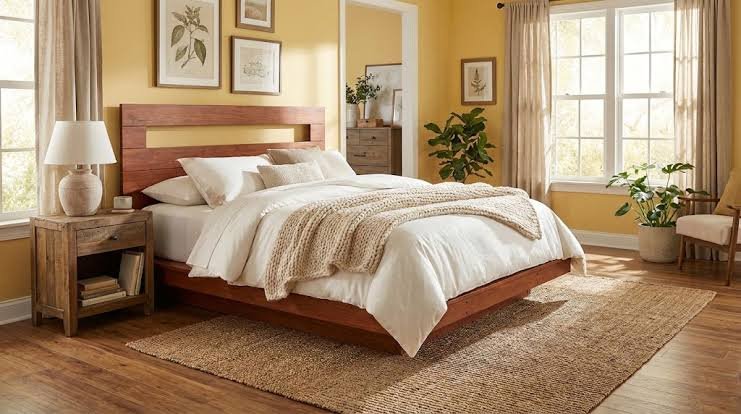
Platform beds remain one of the best woodworking projects for beginners because of their clean design and straightforward construction. They do not require a box spring, making them both affordable and modern. The low-profile appearance fits almost every bedroom style, from minimalist apartments to contemporary homes.
A well-designed platform bed provides excellent mattress support while using fewer materials than many traditional bed frames. Because of its simple structure, it is also easier to assemble, making it an ideal weekend project for first-time builders.
2. Storage Bed Plans
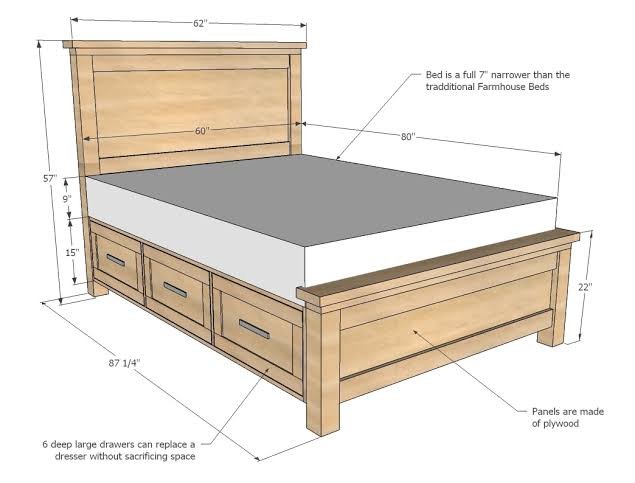
Storage beds combine beauty with functionality. Instead of wasting the space underneath the mattress, these designs include built-in drawers or hidden compartments that can be used to organize blankets, seasonal clothing, shoes, or extra bedding.
This type of bed is especially popular among homeowners living in apartments or smaller homes where every square foot matters. Although the project requires more cutting and assembly than a standard platform bed, the additional storage makes the extra effort worthwhile.
3. Farmhouse Bed Plans
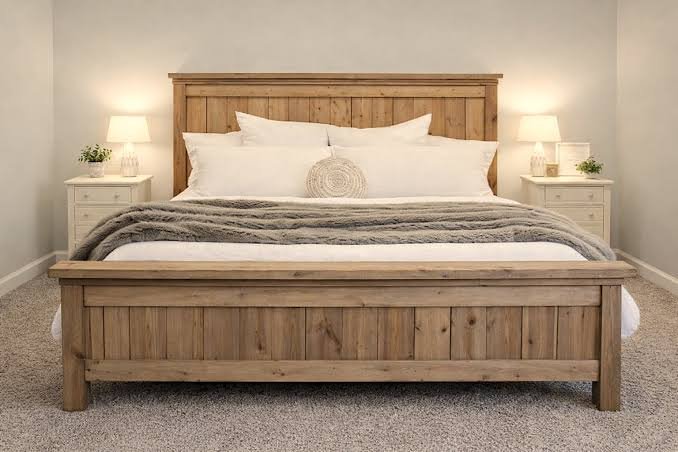
Farmhouse-style furniture continues to be one of the most popular interior design trends in the United States. These beds feature thick wooden posts, decorative headboards, and a timeless rustic appearance that adds warmth to any bedroom.
Many builders choose reclaimed wood or distressed finishes to enhance the farmhouse look. Even though the design appears sophisticated, many farmhouse bed plans are surprisingly beginner-friendly when clear instructions are provided.
4. Floating Bed Plans
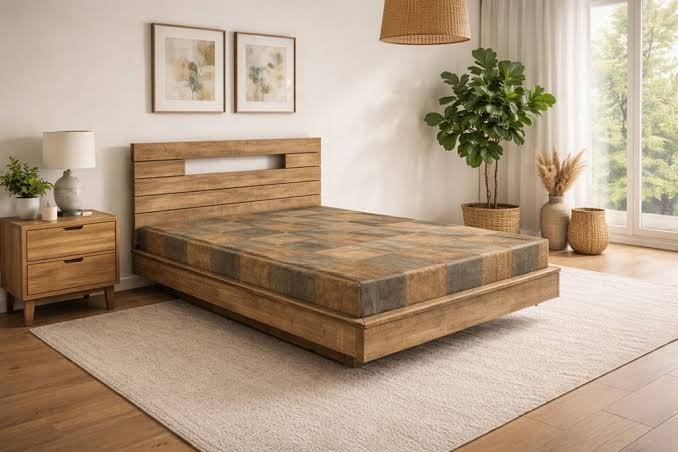
Floating beds create one of the most impressive visual effects in modern bedroom design. Hidden support structures give the illusion that the bed is suspended above the floor. Some designs even include LED lighting beneath the frame, creating a luxury hotel-style appearance.
Although floating beds require greater precision during construction, the final result often becomes the centerpiece of the room.
5. Bunk Bed Plans
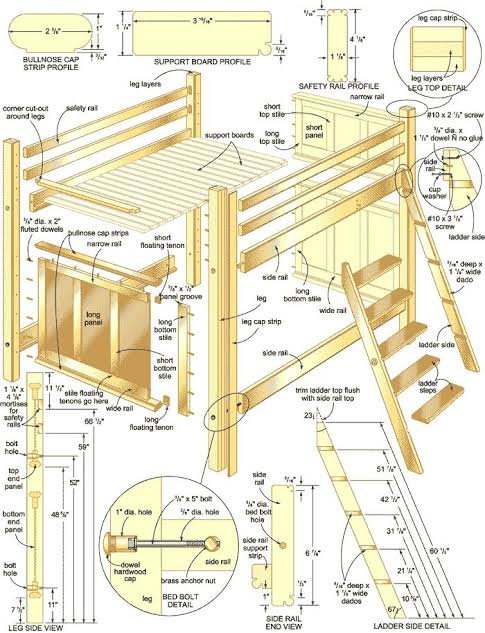
Families with children often choose bunk beds because they maximize floor space while providing two sleeping areas. Properly designed bunk beds include strong support beams, secure ladders, and protective guard rails for safety.
Because bunk beds support significant weight, following professional woodworking plans is essential. High-quality plans ensure that every joint and support system is built correctly, providing both stability and long-term durability.
6. Loft Bed Plans
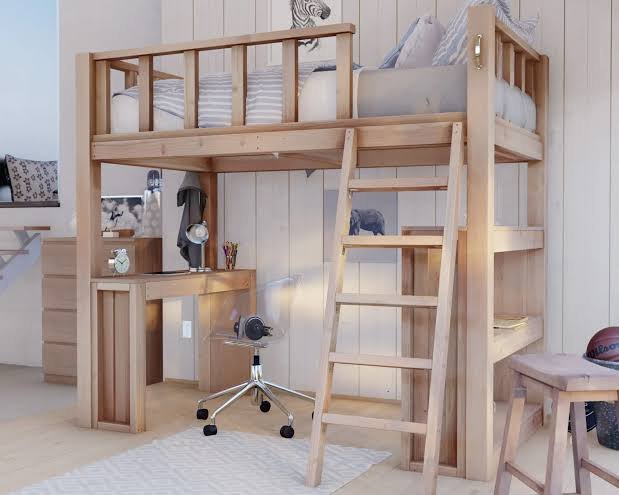
Loft beds are another excellent solution for maximizing space. Instead of placing a second bed underneath, the open area can be used for a study desk, bookshelf, gaming station, or storage cabinets.
These designs are especially popular among teenagers, college students, and homeowners with compact bedrooms.
Step-by-Step Process for Building a Wooden Bed
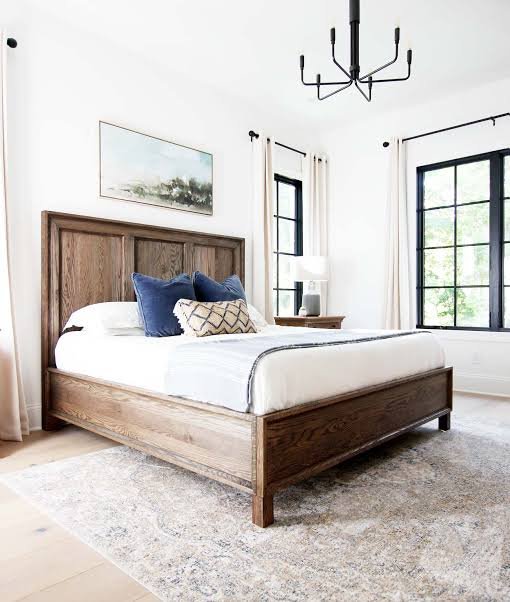
Building a bed may seem like a complicated project at first, but breaking it into smaller steps makes the entire process much more manageable.
The first step is selecting a woodworking plan that matches your skill level. Beginners should avoid overly complex designs and instead start with a simple platform or farmhouse bed.
Once you have chosen a plan, purchase quality lumber from a reliable supplier. Carefully inspect each board to ensure it is straight, dry, and free from major defects. High-quality materials make construction easier and produce better-looking furniture.
After purchasing your materials, carefully measure and cut every board according to the plan. Taking your time during this stage prevents costly mistakes later. Labeling each piece after cutting also makes assembly much faster.
Before assembling the frame, sand every surface thoroughly. Proper sanding removes rough edges and prepares the wood for staining or painting. Many experienced woodworkers recommend sanding before assembly because it is easier to reach every surface.
Once the pieces are prepared, begin assembling the frame exactly as described in your woodworking plan. Work slowly, check that every corner remains square, and tighten fasteners evenly. Using clamps during assembly helps keep the structure aligned while the wood glue cures.
After the frame is complete, install the bed slats or mattress support system. Proper support is essential because it distributes weight evenly and increases the life of both the mattress and the bed frame.
Finally, apply your chosen finish. Whether you prefer natural oil, wood stain, or protective polyurethane, allowing each coat to dry completely before applying the next one produces a smoother and more durable finish.
Following the Best Woodworking Plans for Building Beds step by step reduces costly mistakes and makes the entire building process faster, safer, and more enjoyable.
How to Choose the Right Bed Size
Before beginning your project, it is important to choose the correct bed size for your needs.
Twin beds are ideal for children’s rooms, guest rooms, and small apartments because they require very little floor space.
Full-size beds provide additional sleeping space for single adults while still fitting comfortably in medium-sized bedrooms.
Queen-size beds remain the most popular choice in the United States because they provide excellent comfort without occupying excessive space.
King-size beds offer maximum sleeping comfort and are perfect for larger master bedrooms where space is not a concern.
Selecting the correct size before purchasing materials prevents expensive modifications later in the project.
Is Building Your Own Bed Worth It?
For most homeowners, the answer is yes.
Building your own bed allows you to customize every detail while saving a significant amount of money compared to purchasing high-end furniture. You also gain valuable woodworking experience that can be applied to future projects such as cabinets, dining tables, bookshelves, and outdoor furniture.
Perhaps the greatest reward is the satisfaction of sleeping on a beautiful piece of furniture that you built with your own hands. A well-constructed wooden bed can last for decades, making it one of the most rewarding DIY woodworking projects you can undertake.
Cost Comparison, Expert Tips, FAQ & Final Verdict
One of the biggest reasons people choose DIY woodworking is the opportunity to save money without sacrificing quality. A professionally built wooden bed purchased from a furniture store often includes high labor costs, showroom expenses, and shipping fees. When you build the same bed yourself, you pay mainly for materials and hardware, allowing you to create a custom piece for a fraction of the retail price.
Beyond the financial savings, a handmade bed offers something store-bought furniture never can—the satisfaction of creating a durable piece with your own hands. Every measurement, cut, and finish reflects your craftsmanship, making the final result far more meaningful than factory-made furniture.
DIY Bed vs Store-Bought Bed
Many homeowners assume building furniture is more expensive than buying it, but in most cases the opposite is true.
A quality solid wood queen-size bed purchased from a furniture retailer in the United States typically costs between $1,200 and $3,500, depending on the wood species, brand, and design.
A custom-made hardwood bed can easily exceed $4,000, especially if it includes storage drawers, upholstered headboards, or premium finishes.
By comparison, building a similar bed yourself generally requires only the cost of lumber, screws, wood glue, sandpaper, stain, and finishing products. Even when using premium hardwood, the total cost is usually much lower than buying a comparable bed from a furniture showroom.
The savings become even greater when you continue building other furniture using the same woodworking plans. Instead of paying retail prices every time you need a new piece of furniture, you gain the skills to build high-quality furniture whenever you need it.
Homeowners who use the Best Woodworking Plans for Building Beds often save hundreds or even thousands of dollars while building furniture that matches their exact style and needs.
How Professional Woodworking Plans Save Money
Many beginners hesitate to purchase woodworking plans because they believe free plans available online will provide the same results. Unfortunately, incomplete or poorly designed plans often lead to expensive mistakes.
A single incorrect cut on a hardwood board can waste materials that cost far more than a professional set of plans. Missing measurements, unclear diagrams, and confusing instructions can quickly turn an enjoyable project into a frustrating experience.
Professional woodworking plans help eliminate these problems by providing detailed instructions that have already been tested. Every measurement, cut, and assembly step has been carefully designed, reducing waste while improving accuracy.
Instead of spending time solving problems, you can focus entirely on building your furniture with confidence.
Expert Tips for Building a Strong and Beautiful Wooden Bed
Professional-looking furniture is usually the result of patience rather than expensive tools. Taking time during every stage of construction dramatically improves the final appearance.
Always inspect lumber before purchasing it. Straight boards are easier to work with and produce stronger furniture than warped or twisted pieces. Spending a few extra minutes selecting quality wood can save hours of frustration later.
Dry-fitting the entire bed before applying glue or screws is another habit practiced by experienced woodworkers. This simple step allows you to confirm that every piece fits correctly before permanent assembly begins.
Never rush the sanding process. Smooth surfaces not only look better but also absorb stain evenly, creating a much richer finish. Many professionals spend almost as much time sanding as they do assembling the furniture because they understand how much it affects the final result.
Applying multiple thin coats of stain or protective finish generally produces a more durable and attractive surface than one thick coat. Allow adequate drying time between coats to achieve the best possible finish.
Finally, always follow the recommended weight limits and construction methods provided in your woodworking plans. This is particularly important for bunk beds, loft beds, and king-size bed frames where structural strength is essential.
Common Mistakes to Avoid
Even experienced woodworkers occasionally make mistakes, but many common problems can be avoided with careful planning.
One of the biggest mistakes is beginning a project without reading the complete woodworking plan. Understanding every step before cutting the first board helps prevent unnecessary errors.
Another common problem is ignoring wood movement. Wood naturally expands and contracts as humidity changes throughout the year. Professional woodworking plans account for this movement, helping prevent future cracking or warping.
Many beginners also skip pilot holes before driving screws. This increases the risk of splitting the wood, particularly near board edges. Taking a few extra seconds to drill pilot holes creates cleaner, stronger joints.
Using poor-quality screws or hardware is another mistake that can reduce the strength of the finished bed. Investing in quality fasteners ensures long-term durability.
Finally, rushing the finishing process often leads to disappointing results. Dust, fingerprints, and uneven stain can all be avoided by working slowly in a clean, well-ventilated area.
Frequently Asked Questions
Are the Best Woodworking Plans for Building Beds suitable for beginners?
Yes. Many professionally designed woodworking plans are created specifically for beginners and include step-by-step instructions, illustrations, material lists, and exact measurements that make the building process much easier.
What is the best wood for building a bed?
Oak, maple, walnut, birch, and pine are among the most popular choices. The best option depends on your budget, preferred appearance, and experience level.
How long does it take to build a wooden bed?
A simple platform bed can often be completed in a weekend, while larger projects such as storage beds or bunk beds may require several days depending on your experience.
Can I build a bed using basic woodworking tools?
Yes. Most bed projects can be completed using common workshop tools such as a circular saw, drill, sander, clamps, and measuring tools. Advanced equipment may speed up the process but is not always necessary.
Are premium woodworking plans worth buying?
If you want detailed instructions, professional diagrams, and a wide variety of furniture projects, premium woodworking plans can save both time and money by reducing mistakes and making projects easier to complete.
Final Thoughts
Building your own wooden bed is just the beginning of your woodworking journey. Once you’ve completed this project, you can expand your skills by building cabinets, chairs, outdoor furniture, tables, sheds, and much more. We also recommend reading our Best DIY Cabinet Plans, Best Wooden Chair Plans, Outdoor Furniture Plans, and our in-depth 16,000 Woodworking Plans Review (2026) to discover even more detailed projects. With the right plans and a little practice, you’ll be able to build beautiful, professional-quality furniture for every room in your home.
Choosing the best woodworking plans for building beds makes the entire process easier. Detailed instructions, accurate measurements, material lists, and professional diagrams help builders of every skill level complete projects with confidence.
If your goal extends beyond building just one bed, investing in a complete woodworking plan library can provide inspiration and guidance for thousands of future projects, including chairs, cabinets, dining tables, outdoor furniture, workbenches, sheds, and much more.
Building your own furniture is easier than ever when you have the Best Woodworking Plans for Building Beds. Whether you’re a beginner or an experienced woodworker, these detailed plans provide everything you need to build strong, stylish, and long-lasting beds while saving money and improving your woodworking skills.
Ready to Build Your Dream Bed?
Instead of spending thousands on store-bought furniture, start building your own with professionally designed woodworking plans.
✔ Step-by-step instructions
✔ Exact measurements & cut lists
✔ Projects for beginners and experts
✔ Thousands of DIY furniture plans in one collection